

When conversations about women and financial empowerment come up, there is usually one reaction that appears almost immediately.
“Don’t women already have equal opportunities?”
After all, women can vote. Women can open bank accounts. Women run businesses. Women lead companies. On the surface, it can feel like the conversation about women and financial access has already been settled.
But when you step away from assumptions and start looking at the numbers, a very different story begins to appear.
This is why International Women’s History Month matters. It is not just a time to celebrate women’s achievements. It is also a moment to look honestly at the systems that still shape women’s financial realities today.
And the data tells a powerful story.
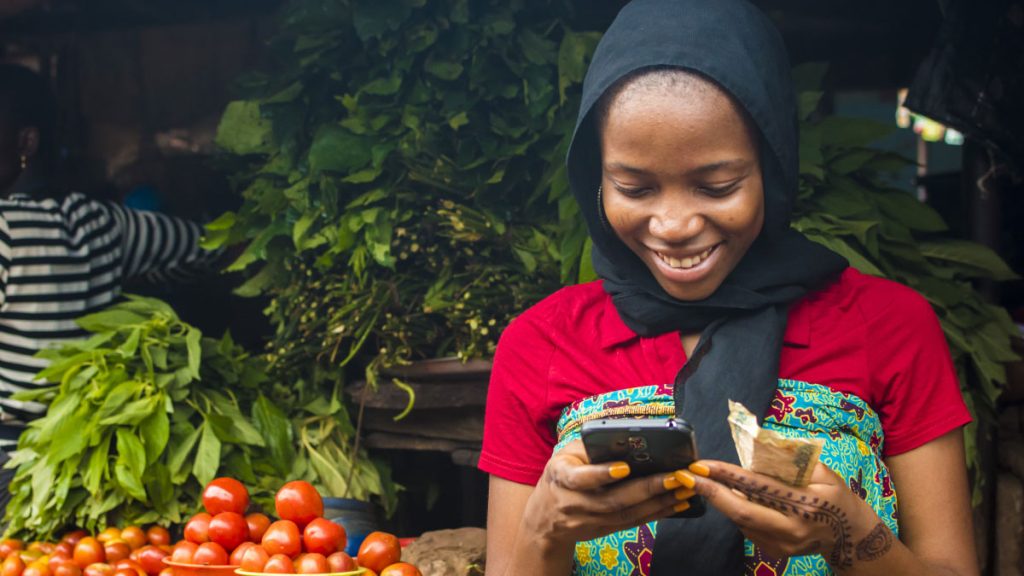
Globally, 1 in 3 women do not have access to formal financial services. That means over a billion women worldwide still operate largely outside the banking system. They save informally, borrow informally, and manage money in ways that remain invisible to the formal economy.
In Nigeria, the situation follows a similar pattern. According to financial inclusion reports, women are significantly more likely than men to be financially excluded. Millions of Nigerian women still do not have access to structured savings, credit, or investment opportunities that could help them build long-term financial security.
Even when women have bank accounts, access does not always translate to opportunity.
For example, women entrepreneurs face one of the largest financing gaps in the world. Globally, women-owned businesses face a credit gap estimated at over $1 trillion. In simple terms, there are millions of women with viable businesses who cannot access the funding they need to grow.
The story becomes even more interesting when we look at agriculture.
Women make up about 40% of the agricultural workforce in many developing countries, including Nigeria. They plant crops, manage farms, and contribute significantly to food production. Yet when it comes to financing, land ownership, and agricultural loans, women receive only a small portion of available resources.
In many cases, women farmers struggle to access credit because they lack formal land titles or collateral required by traditional banks. The result is a cycle where women do much of the work but have limited access to the financial tools that would allow them to expand their productivity.
The numbers around investment also reveal an important gap.
Studies across multiple markets show that women tend to save more consistently than men, yet men are more likely to invest their money. This difference has long-term consequences because investing is one of the main ways wealth grows over time.
When money sits only in savings accounts, it grows slowly. When money is invested in productive assets, businesses, or structured opportunities, it has the potential to grow much faster.
This is one reason financial literacy for women has become such an important conversation. When women have access to information about saving, investing, and wealth building, they often make thoughtful, long-term financial decisions that benefit entire households.
And the impact goes beyond individual success.
Research consistently shows that when women earn and control income, they reinvest a larger portion back into their families and communities. They spend more on children’s education, healthcare, and household well-being. In other words, empowering women financially does not just improve one person’s life. It creates ripple effects that improve entire communities.
That is why closing the gender financial gap is not simply a fairness issue. It is also an economic opportunity.
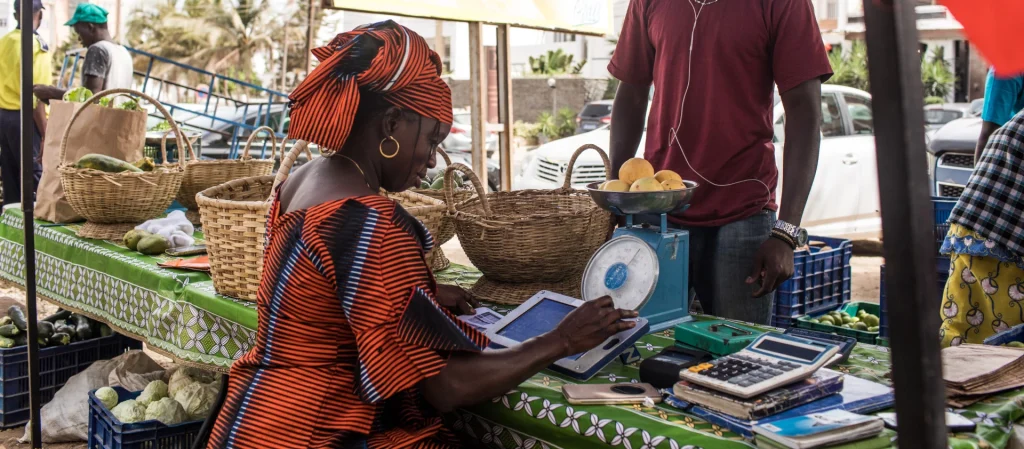
According to global economic studies, advancing women’s economic participation could add trillions of dollars to the global economy. When women have equal access to finance, education, and economic opportunities, productivity rises, businesses grow, and economies expand.
In Nigeria, where women are already deeply involved in entrepreneurship, agriculture, trade, and services, unlocking that potential could transform entire sectors.
But the shift is already beginning.
Across the country, more women are opening savings accounts, starting businesses, joining investment communities, and learning about wealth building. Financial technology has also played an important role by making financial services more accessible through mobile platforms.
What once required long banking processes can now often be done from a phone. Savings plans, investment opportunities, and financial education are increasingly reaching women who previously had limited access to them.
This progress matters because representation in the financial system changes how economies function.
When women participate fully, new businesses are created. New markets open. New ideas emerge. Financial inclusion becomes not just a development goal, but a driver of long-term growth.
So when people ask why conversations about women and finance still matter, the answer is simple.
Because the numbers show that while progress has been made, there is still work to do.
Women have always been central to the functioning of families, communities, and economies. What is changing today is the recognition that women should also have equal access to the financial tools that allow them to grow wealth, build stability, and shape the future.
And as more women gain access to those opportunities, the data will begin to tell a different story. One where participation is balanced, opportunity is shared, and economic growth reflects the contributions of everyone.
That is the future International Women’s History Month invites us to imagine.
Grow financially with the HerVest Community. Download HerVest today.